Easy Beef Udon Recipe With Tender Slices and Rich Broth (Ready in 30 Minutes)
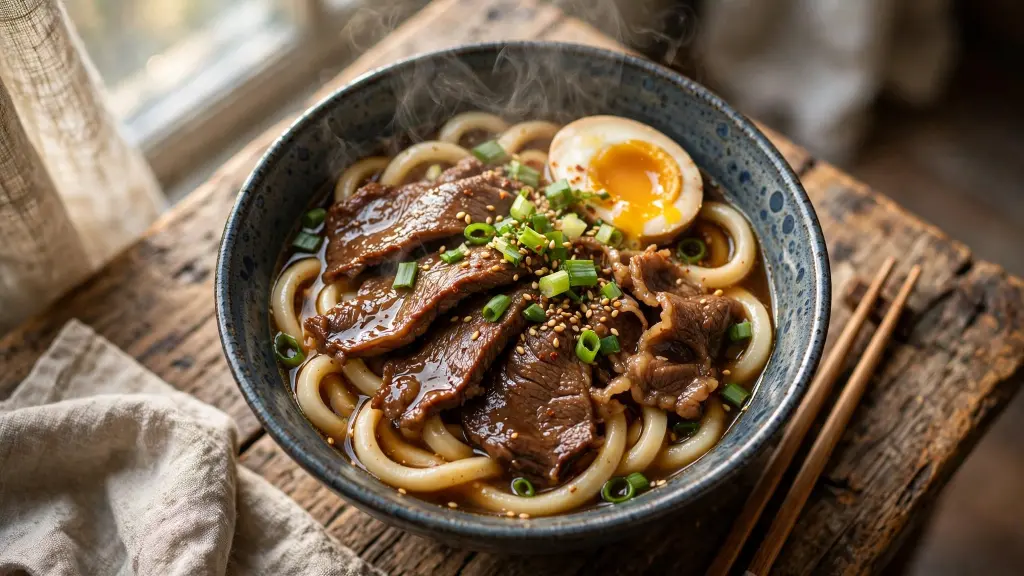
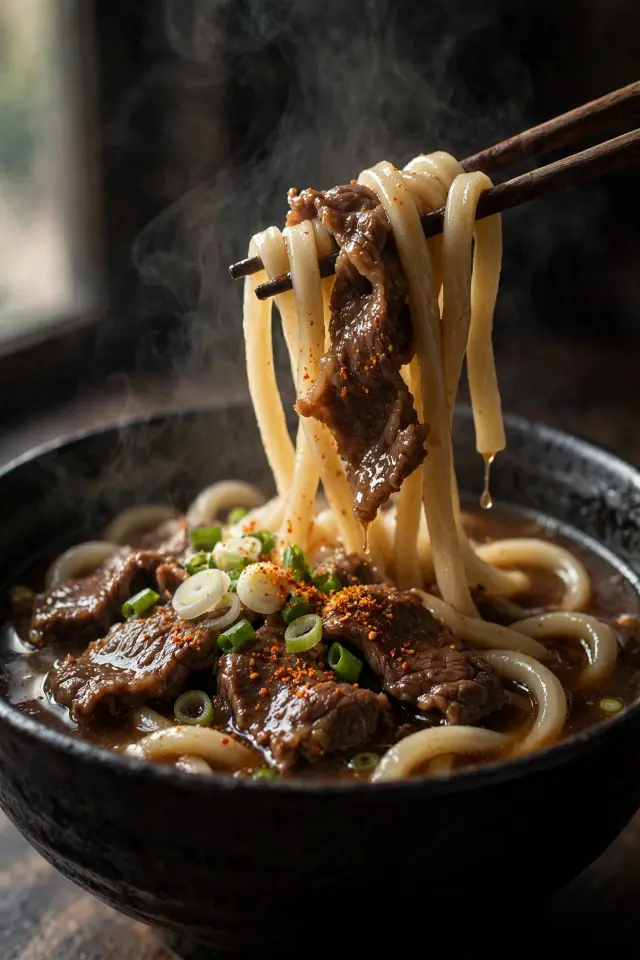
This beef udon recipe gives you thick, chewy noodles in a savory-sweet soy dashi broth, topped with thin slices of beef simmered with onion. It takes about 30 minutes, uses one pot plus a small pan, and works with everyday ingredients from a well-stocked grocery store.
I started making this on rainy weeknights when I wanted something warm but had no patience for a long simmer. My first attempt was too salty and the beef turned gray and chewy, so I tested it a handful of times until the broth tasted balanced and the beef stayed silky. The trick is cooking the beef gently and separately from the noodles. Since then I have made it for lazy Sunday lunches and for friends who needed something warm after a long drive. Now it’s the bowl my family asks for whenever the weather turns cold.
Why You’ll Love This Beef Udon Recipe
- Ready in 30 minutes. The broth simmers while you cook the beef and boil the noodles, so everything lands in the bowl at the same time.
- Tender, silky beef. Paper-thin slices cook in about a minute, so they stay soft instead of turning chewy.
- Pantry-friendly broth. Soy sauce, mirin, and sugar do the heavy lifting, and instant dashi powder keeps things simple on a busy night.
- Easy to customize. Add spinach, swap in mushrooms, or finish with chili flakes. This beef udon recipe adapts to whatever you have.
- A full meal in one bowl. Protein, noodles, and optional greens make it filling without any side dishes.
Hungry for more? Our [Mochiko Sweet Rice Flour Recipe] are worth a look.
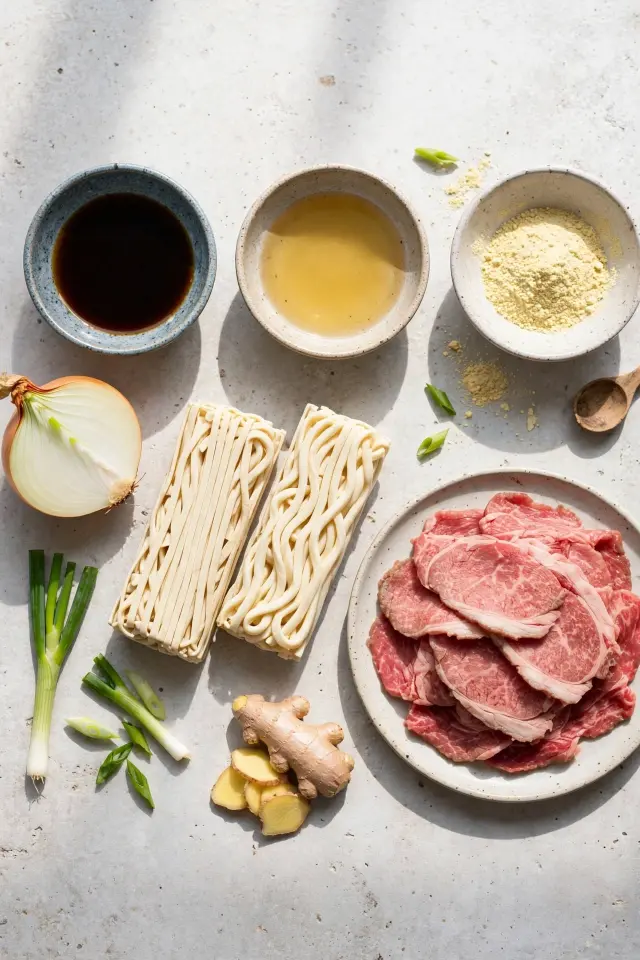
Ingredients for Beef Udon
Substitution notes: Every part of this beef udon recipe has a workable swap.
- Beef: Thinly sliced chuck or flank works if you freeze it for 20 minutes (not included in the 30 minute total) and slice it as thin as you can. Many butchers and Asian grocers will slice it for you.
- Mirin: Use 1 tablespoon dry sherry plus a pinch of extra sugar for each tablespoon of mirin.
- Noodles: Fresh or vacuum-packed udon works in place of frozen. For a gluten-free bowl, use rice noodles and tamari, though the texture will be different.
Can you make this without homemade dashi?
Yes. Instant dashi powder dissolved in hot water gives you a clean, savory base in under a minute, and that is what I reach for on most weeknights.
How to Make Beef Udon Step by Step
This beef udon recipe moves quickly once you start, so have everything sliced and measured before you turn on the heat.
- Marinate the beef. Toss the sliced beef with 1 tablespoon soy sauce, 1 tablespoon mirin, and 1 teaspoon sugar in a bowl. Let it sit while you make the broth.
- Simmer the broth. Add the dashi, 3 tablespoons soy sauce, 2 tablespoons mirin, 1 tablespoon sugar, and ginger to a medium pot. Bring it to a gentle simmer over medium heat and cook for 5 minutes, then taste. It should be savory with a touch of sweetness. A gentle simmer keeps the broth clear, so avoid a hard boil.
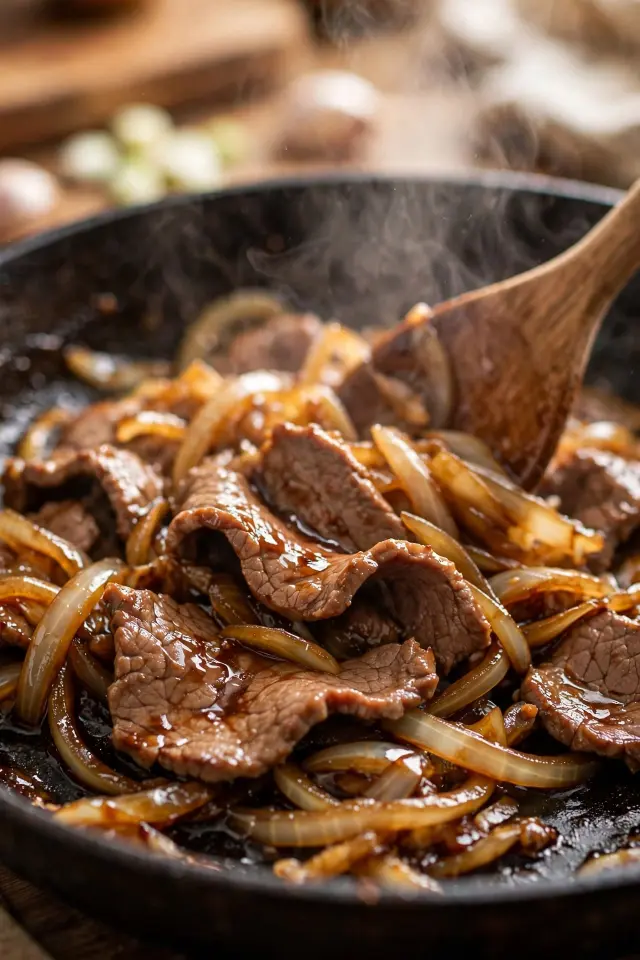
- Soften the onion. Heat the oil in a wide skillet over medium heat. Add the sliced onion and cook for 3 to 4 minutes, stirring now and then, until soft and just starting to turn golden.
- Cook the beef. Add the marinated beef to the skillet and spread it out. Stir for 1 to 2 minutes, just until the pink disappears, then take the pan off the heat. Thin beef overcooks fast, and carryover heat will finish the job.
- Boil the noodles. Bring a separate pot of water to a boil and cook the udon according to the package, usually 1 to 3 minutes for frozen. Drain well. Why cook the noodles in a separate pot? Udon sheds a lot of starch, which would turn your broth cloudy and slightly gluey. A separate pot keeps the soup clear and the noodles springy.
- Wilt the greens. If you are using spinach or bok choy, add it to the simmering broth for 30 to 60 seconds.
- Build the bowls. Divide the noodles between two deep bowls. Ladle the hot broth over the top, then pile on the beef and onions.
- Finish and serve. Top with scallions, a soft-boiled egg, and a shake of shichimi togarashi. Taste the broth one more time and add a splash of soy sauce if it needs it. Serve right away while the broth is steaming.
For a simple side, try our [Sour Chicken Recipe].
Pro Tips for the Best Beef Udon
After testing this beef udon recipe a handful of times, these are the details that matter most.
- Slice the beef thin and cold. Partially frozen beef is much easier to cut into thin, even slices. Slicing against the grain also helps keep each bite soft. How thin should it be? Aim for about 1/16 inch (2 mm), almost see-through, so it cooks in seconds and stays tender.
- Pull the beef off the heat early. The USDA safe minimum temperature chart lists 145°F (63°C) for whole cuts of beef, and slices this thin cook through within a minute or two in a hot pan. Once the pink is gone, stop cooking.
- Season the broth to taste. Soy sauces and instant dashi powders vary a lot in saltiness, so hold back a little soy sauce the first time you make this beef udon recipe, then adjust at the end.
- Store the parts separately. Keep the broth, noodles, and beef in separate airtight containers in the fridge for up to 3 days. To reheat, warm the broth gently, rinse the noodles under hot water for 30 seconds, and add the beef last so it does not toughen. Storing noodles in the broth makes them swell and turn mushy.
- Swap with confidence. Sliced shiitake mushrooms simmered in the broth add extra depth, and thinly sliced pork belly works if you want a richer bowl. A drizzle of toasted sesame oil at the end adds a nutty finish. Want more ideas? Browse our [Chicken Casserole Recipes].
Beef Udon FAQs
What is the best cut of beef for udon?
Thinly sliced ribeye is my favorite because the marbling keeps it juicy and flavorful. Sirloin is leaner and more budget friendly, and both are often sold pre-sliced for shabu-shabu at Asian grocery stores.
What does niku udon mean?
Niku udon is the Japanese name for udon topped with beef, and niku simply means meat. Traditional versions simmer the beef in sweet soy sauce, which is the same flavor you get from this beef udon recipe.
Can I use dried udon noodles?
Yes. Dried udon is firmer and takes longer to cook, so follow the package directions and rinse it after draining. Frozen udon is softer and chewier, which is why I prefer it here.
Is beef udon healthy?
It can be a balanced meal, with protein from the beef and energy from the noodles. The soy-based broth does bring a fair amount of sodium, so reduce the soy sauce or leave some broth in the bowl if sodium matters to you. For exact numbers, you can look up your ingredients in USDA FoodData Central.
Can I freeze beef udon?
Freeze the broth from this beef udon recipe on its own for up to 2 months, but do not freeze assembled bowls because the noodles turn soft and mushy. Reheat the broth and add freshly boiled noodles when you are ready to eat.
Easy Beef Udon Recipe With Tender Slices and Rich Broth
Thick, chewy udon in a savory-sweet soy dashi broth, topped with silky sliced beef and onion. Ready in 30 minutes.
Ingredients
For the beef
- 12 oz (340 g) thinly sliced beef ribeye or sirloin
- 1 small yellow onion, thinly sliced
- 1 tablespoon soy sauce
- 1 tablespoon mirin
- 1 teaspoon sugar
- 1 teaspoon neutral oil
For the broth
- 4 cups (950 ml) dashi, or 4 cups water plus 2 teaspoons dashi powder
- 3 tablespoons soy sauce
- 2 tablespoons mirin
- 1 tablespoon sugar
- 3 thin slices fresh ginger (optional)
For the noodles and toppings
- 14 oz (400 g) frozen udon noodles
- 2 scallions, thinly sliced
- 2 soft-boiled eggs (optional)
- 1 handful baby spinach or bok choy (optional)
- Shichimi togarashi or chili flakes, to taste
Instructions
- Toss the sliced beef with 1 tablespoon soy sauce, 1 tablespoon mirin, and 1 teaspoon sugar. Let it sit while you make the broth.
- Add the dashi, 3 tablespoons soy sauce, 2 tablespoons mirin, 1 tablespoon sugar, and ginger to a medium pot. Simmer gently over medium heat for 5 minutes, then taste.
- Heat the oil in a wide skillet over medium heat. Cook the sliced onion for 3 to 4 minutes until soft and just starting to turn golden.
- Add the marinated beef to the skillet and stir for 1 to 2 minutes, just until the pink disappears. Take the pan off the heat.
- Boil the udon in a separate pot of water according to the package, usually 1 to 3 minutes for frozen. Drain well.
- Add spinach or bok choy to the simmering broth for 30 to 60 seconds, if using.
- Divide the noodles between two deep bowls and ladle the hot broth over the top. Add the beef and onions.
- Top with scallions, a soft-boiled egg, and a shake of shichimi togarashi. Serve right away.
Notes
- Freeze the beef for 20 minutes if you are slicing it yourself. That time is not included in the 30 minute total.
- Store the broth, noodles, and beef in separate airtight containers in the fridge for up to 3 days. Reheat the broth gently and add the noodles and beef just before serving.
- Cook the noodles in a separate pot so the starch does not cloud the broth.
Nutrition
Per serving (1 bowl): about 750 calories, 45 g protein, 70 g carbohydrates, 30 g fat, 2,000 mg sodium.
Estimated values. They vary with the cut of beef, the soy sauce brand, and toppings.That is the whole story behind my favorite beef udon recipe: tender beef, springy noodles, and a broth that tastes like it simmered all afternoon. If you give it a try, I would love to hear how it turned out in the comments below. Save this recipe to your Pinterest dinner board so it is ready for your next cold, rainy night, and share it with a friend who loves a good bowl of noodles. For more comfort in a bowl, browse our [Zongzi Rice Recipe].